Source 2021 classic automatic used car for parks, resorts, and events
Find 30 listings for the 2021 classic automatic used car suitable for scenic spots, amusement parks, and resorts. Buyers can compare specifications like seating capacity, battery range, and motor power to select the right electric sightseeing vehicle.
Key considerations
Products List


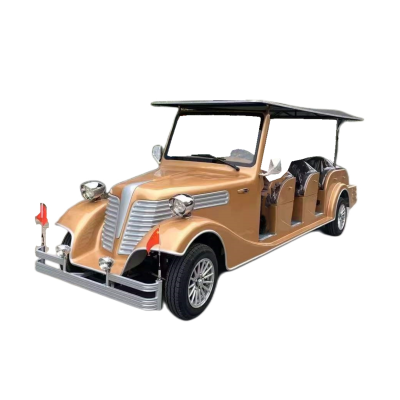
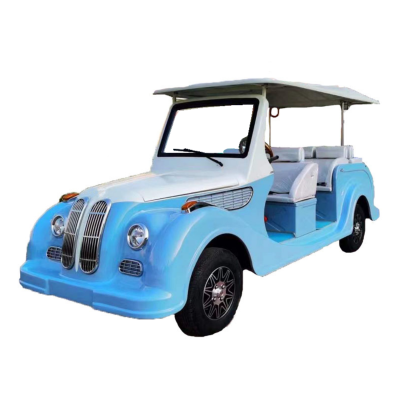
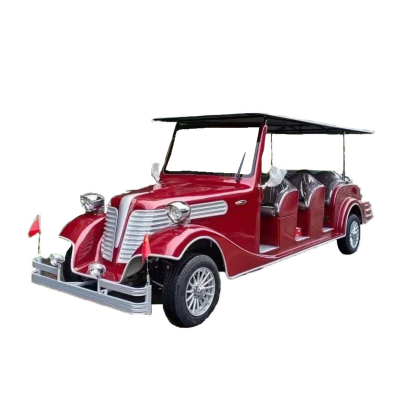


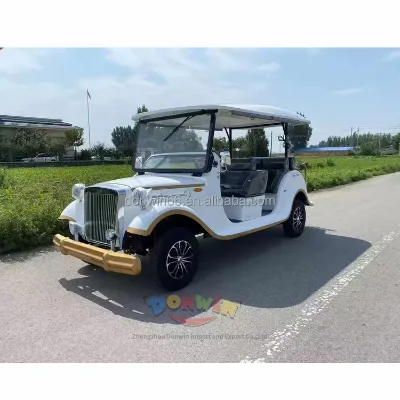
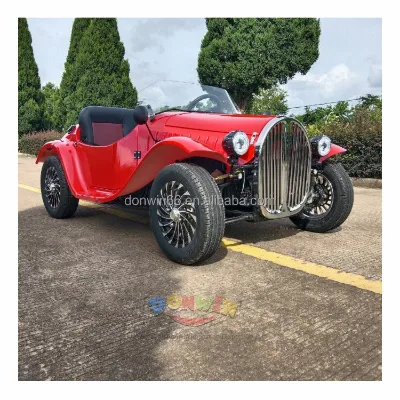
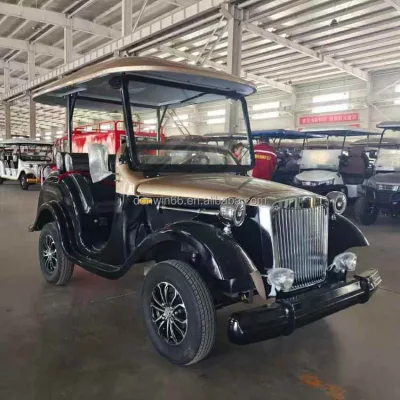
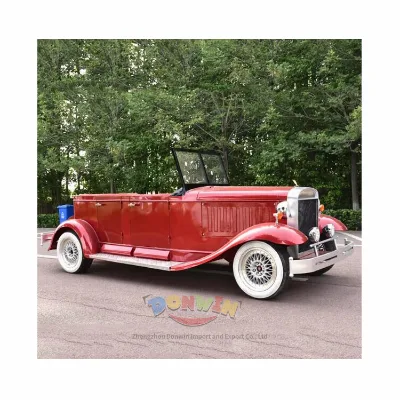


Comprehensive Sourcing Guide
Sourcing Guide for Electric Classic and Sightseeing Vehicles
The global market for specialized electric mobility has evolved significantly, moving away from generic internal combustion engines toward sustainable, low-emission solutions tailored for specific environments. When buyers search for terms like "2021 classic automatic used car," they often encounter a complex landscape where the terminology may refer to vintage-style electric vehicles designed for sightseeing, resort operations, or exhibition purposes rather than traditional personal transportation. This guide provides a disciplined, evidence-based approach to sourcing these specialized electric vehicles, focusing on the technical realities, compliance requirements, and operational considerations found in current B2B listings.
Understanding the Product Category and Terminology
The search for a "classic automatic used car" in a B2B context frequently leads to products categorized as "Electric Classic Cars" or "Sightseeing Cars." These vehicles are distinct from standard passenger automobiles. They are engineered primarily for low-speed, high-torque applications within controlled environments such as scenic spots, amusement parks, golf courses, and resorts. The "classic" designation often refers to the aesthetic design, which mimics vintage automobiles, rather than the age of the vehicle itself. In the current supply chain, these units are typically manufactured as new assets with a "vintage" styling, though the market does include refurbished or pre-owned units from previous production cycles.
Buyers must distinguish between a standard passenger car and a specialized electric bus or sightseeing vehicle. The latter often falls under the classification of "Electric Bus" or "Sightseeing Car" with specific attributes like a "Standard" style and a seating capacity that varies from 5 to over 8 passengers. The powertrain is exclusively electric, utilizing systems such as 72V-400A fully intelligent controllers and three-phase asynchronous AC motors. Understanding this categorization is the first step in ensuring that the procurement aligns with the intended operational environment, which is rarely public roadways but rather private estates, hotel grounds, or pedestrian streets.
Technical Specifications and Performance Metrics
When evaluating the technical specifications of these electric vehicles, buyers must scrutinize the powertrain, battery configuration, and structural dimensions. The supplied data indicates a diverse range of capabilities depending on the specific model, such as the WINNER-CC 8S or WINNER-SC-O 17S. A critical observation is the variation in gross vehicle weight and payload capacity. For instance, some models list a gross vehicle weight of 950kg with a payload capacity of 1000kg, while others may have a curb weight ranging between 200kg and 300kg, suggesting significant differences in build quality and intended load.
The power system is a defining characteristic. Many units operate on a 72V battery architecture, utilizing maintenance-free high-capacity batteries, such as 6V 200Ah units in multiples. The electric motor is typically a 10kW three-phase asynchronous AC motor, often equipped with regeneration capabilities to extend efficiency. Performance metrics also vary; maximum travel speeds are generally capped between 28km/h and 30km/h, aligning with low-speed zone regulations. The travel range is observed to be between 60km and 90km on a single charge, with a charge time typically spanning 5 to 7 hours.
Structural dimensions are equally important for logistics and storage. Standard sizes may range from 3.55m in length to over 5.7m, with widths around 1.5m to 1.65m and heights near 2.0m. The gradeability, or the ability to climb slopes, is a crucial factor for hilly terrains, with observed capabilities ranging from 20% to 25 degrees. Buyers should verify the specific model's dimensions against their facility's parking and charging infrastructure requirements.
Compliance, Certification, and Safety Standards
Compliance is a non-negotiable aspect of sourcing specialized electric vehicles. The market data highlights specific certifications, such as the CE mark, which indicates conformity with health, safety, and environmental protection standards for products sold within the European Economic Area. However, the presence of a certification on a listing does not automatically guarantee that every unit in a batch meets that standard without verification. Buyers must request current, valid certification documents for the specific model they intend to purchase.
Safety features are integral to the design of these vehicles. Brake systems are commonly configured as a combination of front disc and rear disc brakes, ensuring reliable stopping power. Electronic control systems often include anti-roll features to enhance stability during operation. The minimum ground clearance is typically observed between 100mm and 150mm, which affects the vehicle's ability to navigate uneven surfaces.
When evaluating suppliers, buyers should verify the origin of the product. Listings indicate origins in regions such as Shandong and Henan in China. While these are established manufacturing hubs, the specific factory's quality management systems and adherence to international standards should be confirmed. The "Standard" style and "Customization" availability suggest that buyers can tailor certain attributes, but any customization must not compromise the vehicle's compliance status.
Cost Drivers and Pricing Structures
The pricing for these specialized electric vehicles is influenced by several factors, including battery capacity, motor power, customization options, and packaging requirements. The observed price range in the market spans from approximately $600 to $37,999 USD. This wide disparity reflects the difference between basic, small-scale units and larger, more complex models with advanced features.
The Minimum Order Quantity (MOQ) is another significant cost driver. Data shows an MOQ range of 1 to 2 units, making these vehicles accessible for small operations or pilot programs. However, bulk purchasing may offer economies of scale. The packaging method, often described as "Steel Packing" or specific dimensional crates (e.g., 5700×1470×2000mm), impacts shipping costs and must be factored into the total landed cost.
Buyers should also consider the total cost of ownership, which includes maintenance, battery replacement, and energy consumption. The use of maintenance-free batteries reduces long-term service costs, but the initial investment in high-capacity battery packs is substantial. Additionally, the availability of spare parts and the lead time for replacements should be evaluated to ensure operational continuity.
Typical Applications and Operational Fit
The versatility of these electric classic cars makes them suitable for a wide array of applications. The primary use cases include scenic spots, amusement parks, golf courses, resorts, and villas. Beyond leisure, they are increasingly deployed in commercial and institutional settings such as hotels, pedestrian streets, schools, hospitals, malls, airports, ports, wharves, stations, and factories. The "Classic/Vintage Car" aesthetic is particularly effective for wedding services, exhibitions, and promotional events where visual appeal is paramount.
The "standing position of tail caddie" feature, where available, adds utility for carrying additional equipment or passengers. The color options, ranging from standard white, red, blue, and green to more unique shades like rose red and violet, allow for branding and thematic integration. Buyers should assess the specific environment where the vehicle will operate. For instance, a golf course may require a vehicle with a specific payload capacity and a smooth ride quality, while a factory setting might prioritize durability and a robust braking system.
Supplier Evaluation and Quality Assurance
Evaluating suppliers requires a rigorous approach to ensure the quality and reliability of the product. Buyers should verify the supplier's production capabilities, specifically their ability to deliver the "Standard" style with the requested customization. The brand name "Zhenda Electric Car" appears in the data, but buyers should not rely on a single brand name without verifying the manufacturer's reputation and track record.
Quality control measures should be a priority. Buyers must request detailed inspection reports, including test results for the brake system, battery performance, and motor efficiency. The "Fully Intelligent Controller" and "Aviation Aluminum Intelligent on-Board Charger" are specific components that warrant scrutiny to ensure they meet the claimed specifications.
When assessing suppliers, consider their experience with international logistics, particularly given the "Place of Origin" in China. The ability to handle steel packing and coordinate shipping for large vehicles is essential. Buyers should also inquire about after-sales support, including warranty terms, technical training, and the availability of replacement parts.
Long-Term Procurement and Sustainability Considerations
Sourcing these vehicles is not just a one-time transaction but a long-term investment in sustainable mobility. The shift toward electric powertrains aligns with global sustainability goals, reducing carbon emissions and noise pollution in sensitive environments like resorts and hospitals. The "Electric Classic Car" offers a unique blend of nostalgia and modern efficiency, appealing to customers who value both aesthetics and environmental responsibility.
Buyers should plan for the lifecycle of the vehicle, including battery replacement cycles and potential upgrades to the electronic control system. The "Customization" feature allows for future adaptability, enabling the vehicle to be reconfigured as operational needs change. Furthermore, the "Standard" style and modular design facilitate easier maintenance and repair, reducing downtime.
In conclusion, sourcing a "2021 classic automatic used car" in the B2B context involves navigating a specialized market of electric sightseeing and classic vehicles. By focusing on technical specifications, verifying compliance, understanding cost drivers, and evaluating suppliers rigorously, buyers can make informed decisions that meet their operational needs while adhering to safety and sustainability standards. The wide range of applications and customizable features ensures that these vehicles can be tailored to fit diverse environments, from amusement parks to industrial facilities.
FAQs
What is the maximum travel speed of these electric classic cars?
The maximum travel speed is typically capped at 28km/h to 30km/h. This low-speed limit aligns with safety regulations for controlled environments like scenic spots and resorts where these vehicles are primarily deployed.
Can buyers customize the color and style of the vehicle?
Yes, customization is available for colors including white, red, blue, green, and black. Buyers can also request specific styles, allowing the vehicle to match the aesthetic requirements of hotels, golf courses, or exhibition venues.
What is the typical travel range on a single charge?
The travel range varies between 60km and 90km depending on the specific model and battery configuration. Units often utilize 72V battery systems with high-capacity cells to support extended operation in parks or factories.
Which certification standards apply to these electric sightseeing vehicles?
Some models carry CE certification indicating conformity with European safety standards. Buyers should verify specific documentation for the model they intend to purchase to ensure compliance with local regulations for amusement parks or resorts.
What is the minimum order quantity for purchasing these cars?
The minimum order quantity ranges from 1 to 2 units, making them accessible for small operations. This low MOQ allows buyers to acquire a single vehicle for wedding services or a small fleet for a resort.
How long does it take to fully charge the battery system?
The charge time typically spans 5 to 7 hours using an intelligent on-board charger. This duration supports overnight charging cycles, ensuring the vehicle is ready for daily sightseeing or shuttle duties in the morning.
Where are these electric classic cars manufactured?
Products originate from manufacturing hubs in China, specifically regions like Shandong and Henan. These locations are established centers for producing electric buses and sightseeing vehicles with standard styles and various customization options.